5 Mistakes That Ruin Outdoor Fiber Distribution Cabinets
By Jergeo Engineering Team | Published October 2026 · 7 min read
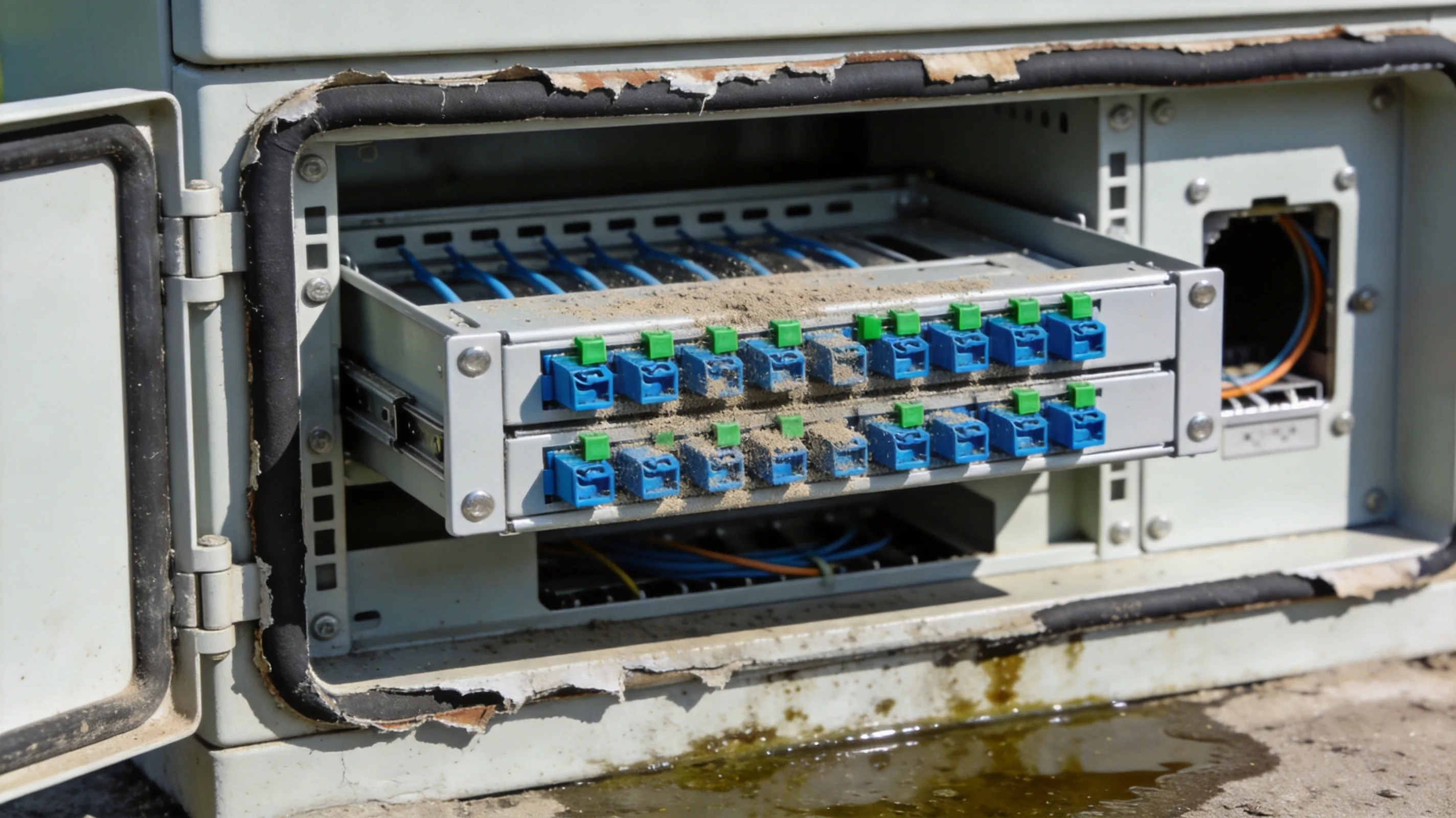
After two decades of supporting fiber deployments worldwide, we keep seeing the same five mistakes destroy outdoor fiber distribution cabinets — sometimes within the first year. These are not exotic failure modes. They are preventable errors in specification, installation, and maintenance. Each one costs thousands of dollars in truck rolls, replacement hardware, and network downtime. Here is what they are, why they happen, and how to avoid every single one.
Summary
The five mistakes that destroy outdoor fiber distribution cabinets are: (1) choosing the wrong IP rating, (2) ignoring condensation, (3) overloading beyond capacity, (4) poor cable entry sealing, and (5) skipping grounding. Each is preventable with correct specification and installation practices. Together, they account for the majority of premature FDC failures in outdoor FTTH and telecom networks.
Mistake #1: Choosing the wrong IP rating
This is the most common and most expensive mistake. An outdoor fiber distribution cabinet rated IP55 is perfectly adequate under a building overhang or inside a ventilated kiosk. But install that same IP55 cabinet on an exposed utility pole in a coastal area, and it will begin failing within months. The IEC 60529 standard defines these ratings precisely — and the gap between IP55 and IP65 is far more significant than the numbers suggest.
The root cause: spec sheets look similar, and the cost difference between IP55 and IP65 feels unnecessary at purchase time. But the field cost of a failed cabinet — truck roll, replacement, re-splicing — dwarfs the initial savings.
How to avoid it: Assess the actual installation environment, not just the general region. Is the site fully exposed to rain and wind? Coastal or industrial? Choose IP65 for any exposed location. For a detailed breakdown, see our IP55 vs IP65 comparison guide.
Mistake #2: Ignoring condensation
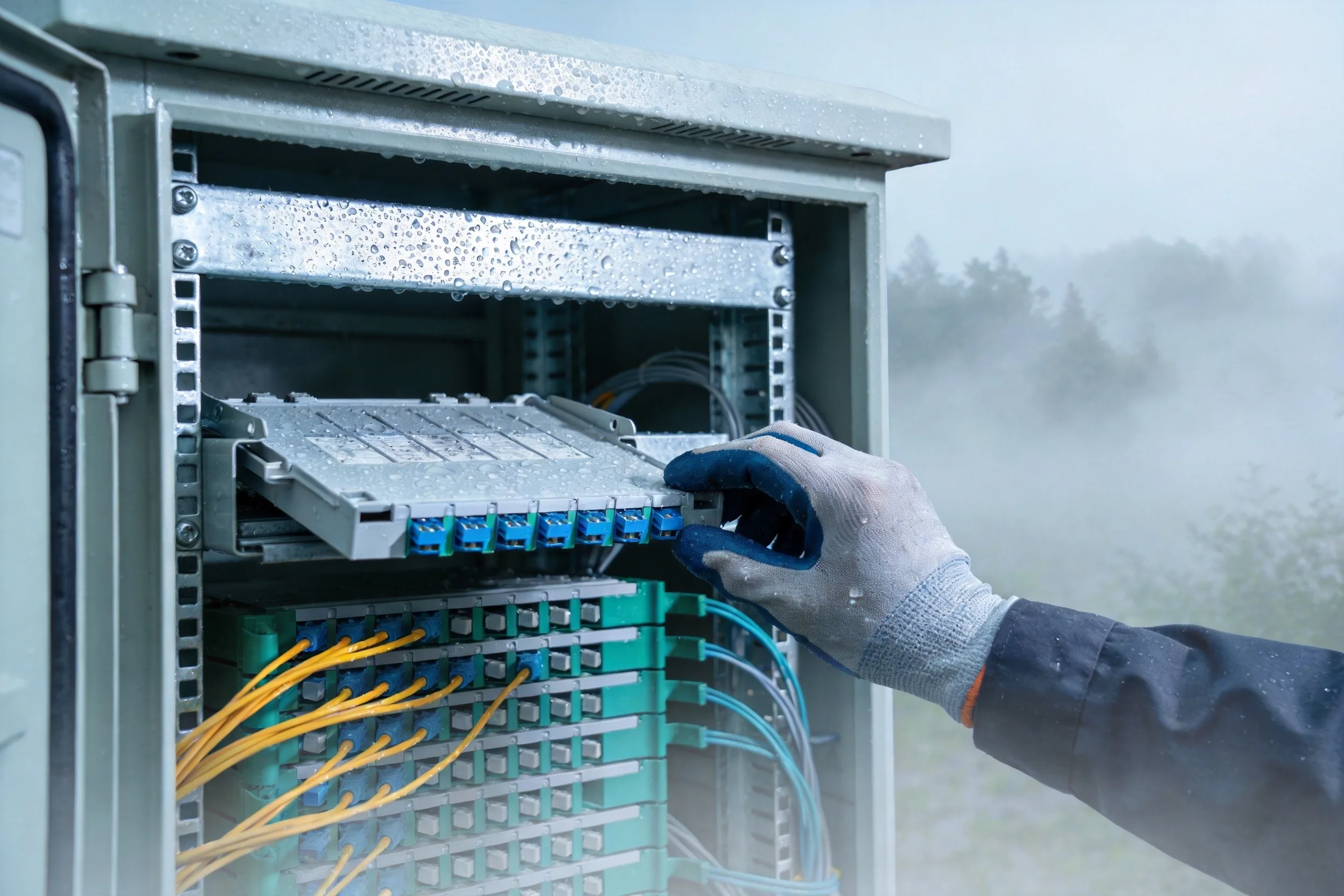
Condensation is the silent killer of outdoor fiber cabinets. Even a perfectly sealed IP65 enclosure can develop internal moisture if it was closed on a warm, humid day. When temperatures drop at night, that trapped moisture condenses on cold surfaces — splice trays, adapter faces, metal frames.
The damage is cumulative. Each condensation cycle deposits contaminants on connector end faces, corrodes metal components, and increases insertion loss. After 6-12 months of daily cycling, the fiber link begins showing intermittent errors that are nearly impossible to diagnose without opening the cabinet and seeing the damage firsthand.
How to avoid it: Install desiccant packs or pressure-equalizing breather valves during commissioning. In high-humidity or coastal climates, add a thermostatically controlled heater. And always open the cabinet for inspection during the coolest part of the morning — that is when condensation is most visible. Our condensation troubleshooting guide walks through the full diagnostic and fix process.
Mistake #3: Overloading beyond capacity
Networks grow. The cabinet you specified with 288 ports today needs 350 tomorrow. Instead of upgrading the cabinet, someone stuffs in extra fibers, ignores bend radius requirements, and calls it a day.
This causes three problems simultaneously:
- Excessive bend radius violations: Single-mode fiber needs a minimum bend radius of 30mm. Stuffing fibers into an overloaded cabinet forces tight bends that increase insertion loss and can cause micro-cracks that lead to eventual breakage.
- Thermal buildup: Overloaded cabinets restrict airflow. Internal temperatures rise above the rated operating range, accelerating seal degradation and increasing condensation risk.
- Maintenance impossibility: Technicians cannot access individual splice trays without disturbing surrounding fibers. Every maintenance visit risks causing new faults while fixing old ones.
How to avoid it: When selecting a fiber distribution cabinet, always specify 15-20% spare capacity beyond current requirements. If the network is growing faster than expected, plan a cabinet upgrade before capacity is exceeded — not after.
Mistake #4: Poor cable entry sealing
Cable entries are the most common failure point in any outdoor enclosure. Every cable that enters the cabinet needs a properly sized compression gland. Every unused entry needs a blanking plug. And every gland needs to be tightened to the manufacturer's specified torque.
In the field, we see all too often: cables running through oversized glands with no compression, unused entries left open, and glands hand-tightened instead of torqued. Each gap is an invitation for moisture, dust, and insects to enter the cabinet.
How to avoid it: During installation, verify every cable entry against the cabinet's entry plan. Use correctly sized glands for each cable diameter. Tighten with a torque wrench to the specified value (typically 2-4 N·m for M20-M32 glands). Fit blanking plugs on all unused entries. After installation, perform an IP verification test if possible — especially on critical nodes.
Mistake #5: Skipping grounding and lightning protection
Outdoor fiber cabinets are connected to long cable runs that act as antennas for lightning-induced surges. Even a direct lightning strike nearby can induce voltages high enough to melt fiber strength members, damage metallic components, and destroy any active equipment connected downstream.
Many installers skip grounding because "fiber is dielectric" — they reason that since glass does not conduct electricity, lightning is not a threat. This is dangerously wrong. The steel strength members in armored cables, the metallic cable armor itself, and the cabinet shell are all conductive paths. A surge traveling through these paths without a grounding path will find the next available path — which may be through a technician touching the cabinet.
How to avoid it: Bond all metallic components — cabinet shell, door frame, cable armor, and fiber strength members — to a single grounding bus bar. Connect the bus bar to earth ground with a conductor sized per local code (typically 16mm² copper minimum). Verify grounding resistance is below 5 ohms, per IEEE grounding standards. For detailed installation procedures, see our grounding and lightning protection guide.
The common thread
Notice what these five mistakes have in common: none of them are manufacturing defects. None require exotic tools or rare expertise to prevent. They all come from rushing through specification, skipping steps during installation, or deferring maintenance until a failure forces the issue.
The fiber distribution cabinets that last 20+ years in the field are the ones where these five points were addressed correctly from day one. The cabinets that fail early — and create the most expensive service calls — almost always trace back to one or more of these five.
Key takeaway
Specification, installation, and maintenance quality determine whether an outdoor fiber distribution cabinet lasts 25 years or 5. The five mistakes — wrong IP rating, ignored condensation, overloading, poor sealing, and skipped grounding — are entirely preventable. Address them during design and commissioning, and the cabinet will protect the network for its full designed lifespan.
Related Products
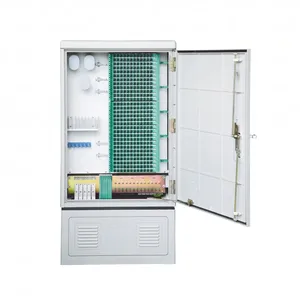
JFDC-288A Fiber Distribution Cabinet
288-port IP65 SMC cabinet with pre-sealed entries and grounding kit
View Product →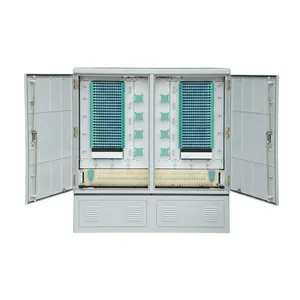
JFDC-576A Fiber Distribution Cabinet
576-port high-capacity IP65 cabinet for backbone distribution nodes
View Product →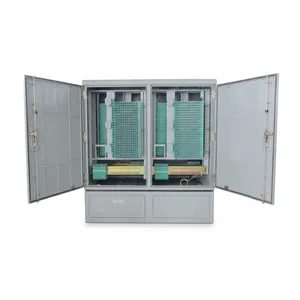
JFDC-1152A Fiber Distribution Cabinet
1152-port ultra-high capacity IP65 cabinet for network hubs
View Product →Related categories
Related Articles
Fiber Distribution Cabinet Condensation Guide
Why moisture forms inside outdoor cabinets and how to stop it.
Read Article →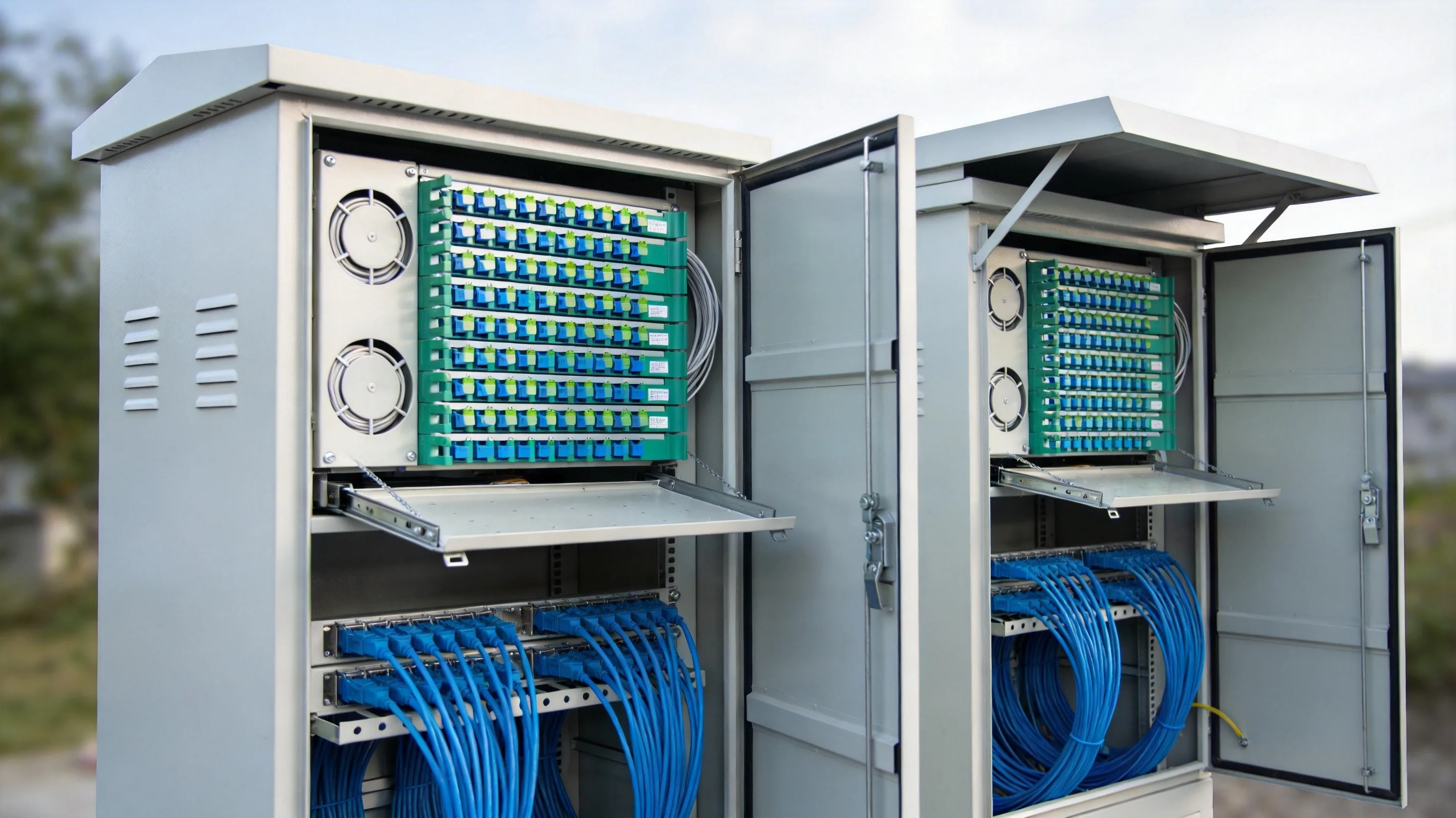
IP55 vs IP65 for Outdoor Fiber Cabinets
How to choose the right IP rating for your deployment.
Read Article →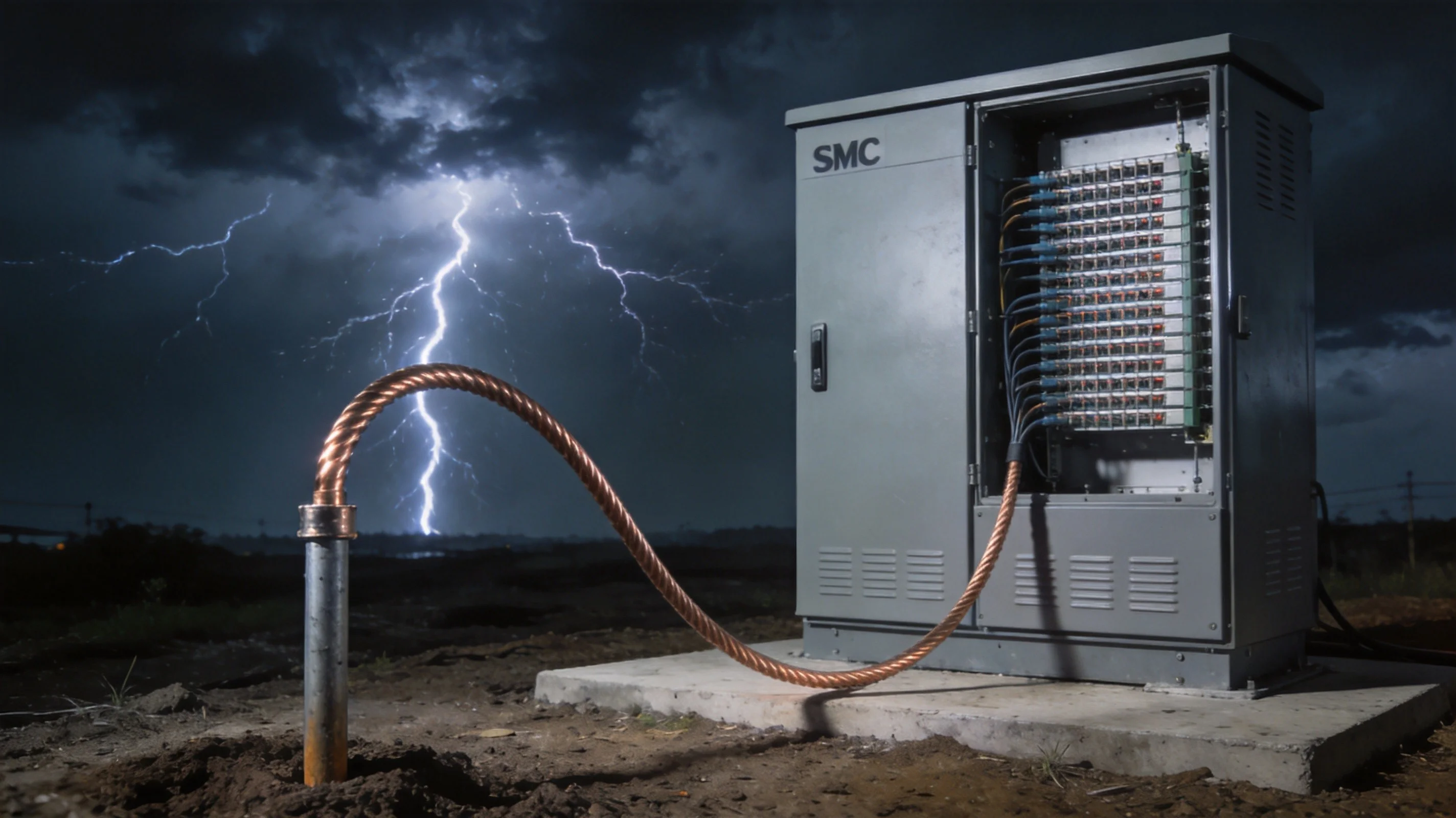
Fiber Cabinet Grounding & Lightning Protection
Step-by-step grounding installation for outdoor cabinets.
Read Article →